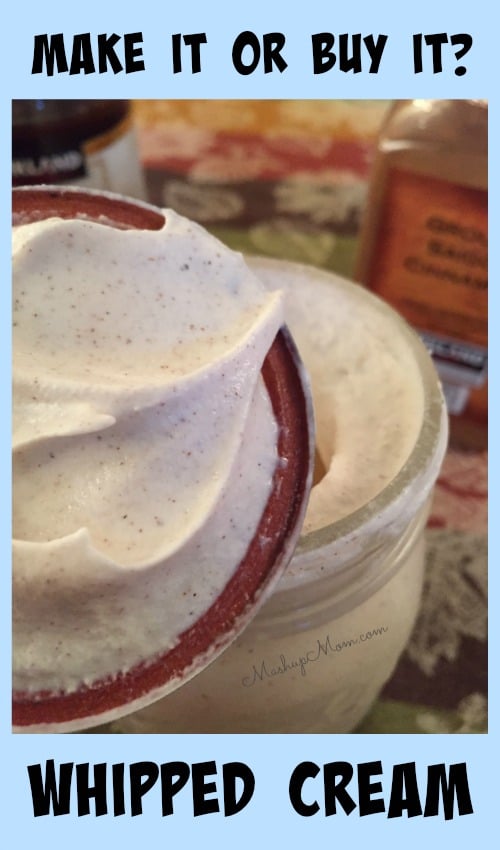
Homemade vs. Store-Bought Whipped Cream: The Healthier, Tastier Choice
There's an undeniable magic that a generous dollop of whipped cream brings to almost any dessert. From towering slices of pie to a simple bowl of fresh berries, its creamy sweetness is the ultimate finishing touch. For many years, the convenience of store-bought options has been a go-to, but if you've ever felt that something was missing – that cloud-like texture or a truly fresh taste – you're onto something profound. The truth is, the journey to the perfect whipped cream begins in your own kitchen, and understanding how to make whipped cream from scratch opens up a world of healthier, tastier possibilities that store-bought versions simply can't match.
This article dives deep into the comparison, revealing why homemade whipped cream isn't just a culinary upgrade, but often a healthier, more satisfying choice that takes mere minutes to create. Forget artificial flavors and unnecessary additives; prepare to discover the pure, unadulterated joy of fresh, homemade perfection.
The Downside of Store-Bought Whipped Cream: A Closer Look at the Label
Before we dive into the delicious world of homemade whipped cream, let's take a moment to understand what's often lurking in those convenient cans or plastic tubs at the grocery store. While they promise instant gratification, a quick glance at the ingredient list often tells a different story. Instead of the simple trio of cream, sugar, and vanilla, you'll typically find a much longer, more complex array of components.
- Artificial Flavors: These are designed to mimic the taste of real cream and vanilla, but often fall short, leaving a somewhat artificial or chemical aftertaste.
- Unnecessary Additives and Preservatives: To extend shelf life and maintain texture, store-bought whipped cream often includes stabilizers like carrageenan, xanthan gum, or guar gum. While generally recognized as safe, they contribute to a less natural product.
- Sweeteners Beyond Sugar: Many brands use high-fructose corn syrup or other artificial sweeteners, which can impact both the taste and the nutritional profile.
- Hydrogenated Oils: In some non-dairy or lower-fat "whipped toppings," you might find hydrogenated or partially hydrogenated oils instead of real heavy cream. These are less healthy alternatives and completely change the texture and mouthfeel.
Beyond the ingredients, the taste and texture often suffer. Store-bought whipped cream can be overly stiff, deflate quickly, or have a strange, sometimes metallic, undertone. It lacks the rich, pure dairy flavor and the delicate, airy structure that defines truly fresh whipped cream. Once you've experienced the real deal, it's hard to go back to these imitations.
Why Homemade Whipped Cream Reigns Supreme: Taste, Health, and Simplicity
The argument for homemade whipped cream is overwhelmingly strong, built on pillars of superior taste, transparency in ingredients, and surprising ease of preparation. It's an ingredient that truly transforms any ordinary dessert into an extraordinary experience.
Unmatched Taste and Texture
The most immediate and obvious benefit of making your own whipped cream is the taste. Using fresh, high-quality heavy cream results in a rich, pure dairy flavor that is simply unparalleled. You control the level of sweetness, allowing the natural creaminess to shine through or adding just enough sugar to complement your dessert. The addition of pure vanilla extract (or other flavorings) provides a warm, aromatic note that artificial versions can't replicate.
Texture-wise, homemade whipped cream is a dream. It achieves that perfect "cloud-like" consistency – light, airy, and silky, yet substantial enough to hold its shape beautifully without being overly stiff or dense. It melts delightfully on the tongue, leaving a clean, luxurious finish.
A Healthier, Transparent Choice
When you learn how to make whipped cream at home, you're in complete control of what goes into it. The basic recipe calls for just three simple ingredients:
- Heavy Cream
- Granulated Sugar
- Pure Vanilla Extract
That's it! No unpronounceable chemicals, no artificial colors, no hydrogenated oils. This transparency means you're serving a product free from unnecessary additives, making it a much healthier option for you and your family. It's real food, made with real ingredients, pure and simple.
Surprisingly Simple and Quick
Perhaps the most convincing argument for homemade whipped cream is its incredible ease and speed. Many people assume it's a complicated task reserved for professional bakers, but nothing could be further from the truth. With a few basic tools, you can create luscious, luxurious whipped cream in as little as five minutes. It's a culinary superpower that requires minimal effort for maximum impact, elevating everything from pies and pastries to hot chocolate and fresh fruit. Once you master this basic skill, you'll wonder why you ever reached for a store-bought can.
Mastering Homemade Whipped Cream: Your Essential Guide
Ready to unlock the secret to perfect, cloud-like whipped cream? Here’s everything you need to know about how to make whipped cream like a pro, every single time. It's a foundational skill that will enhance countless desserts and beverages.
The Essential Ingredients
Quality ingredients are key for the best results:
- Heavy Cream (1 cup): This is the star of the show. Look for heavy cream or heavy whipping cream with a fat content of 35-40%. The higher fat content is crucial for stability, allowing the cream to whip up properly and hold its shape without deflating. Ensure it's very cold, straight from the refrigerator.
- Granulated Sugar (2 tablespoons): Sugar not only adds sweetness but also helps stabilize the whipped cream, contributing to its structure. You can adjust the amount to your preference. For an even smoother texture that dissolves quickly, some prefer to use confectioners' (powdered) sugar, which also often contains a small amount of cornstarch to aid stability.
- Pure Vanilla Extract (1 teaspoon): Always opt for pure vanilla extract over artificial versions for superior flavor. It adds a warm, aromatic depth that beautifully complements the cream. Feel free to experiment with other extracts like almond, or even a splash of liqueur for adult desserts.
The Right Equipment Makes All the Difference
While you *can* whip cream by hand, an electric mixer makes the process effortless and ensures consistent results:
- Electric Hand Mixer or Stand Mixer: These are your best friends for whipped cream. Hand mixers are perfect for smaller batches, offering control and portability. Stand mixers excel at larger quantities, allowing you to multitask. Both incorporate air efficiently, which is essential for whipping.
- Large Mixing Bowl: Choose a bowl that's significantly larger than the volume of cream you're starting with, as the cream will double in size. Glass or stainless steel bowls are preferred because they retain cold temperatures better than plastic, which is vital for optimal whipping.
- Measuring Cups and Spoons: Accurate measurements ensure consistent results and the proper balance of flavors.
- Chilled Bowl and Beaters (Highly Recommended!): This is one of the most important insider tips! Placing your mixing bowl and beaters in the freezer for 10-15 minutes before you start can significantly improve your whipped cream's stability and speed of whipping. Cold fat molecules emulsify and hold their shape better, especially important in warm kitchens.
The Simple Process: Whipping Cream to Perfection
- Chill Out: If possible, chill your bowl and beaters for 10-15 minutes.
- Combine: Pour the very cold heavy cream into your chilled mixing bowl. Add the granulated sugar and pure vanilla extract.
- Whip: Begin whipping on a low speed to prevent splattering, gradually increasing the speed to medium-high. Keep the mixer moving around the bowl to incorporate air evenly.
- Watch for Peaks: Continue whipping until the cream reaches your desired consistency.
- Soft Peaks: The cream will hold a gentle shape, but the tip will flop over when you lift the beaters. Ideal for dolloping on fruit or hot chocolate.
- Medium Peaks: The cream will hold its shape more firmly, with tips that stand up but curl slightly. This is great for most toppings and fillings.
- Stiff Peaks: The cream will hold its shape firmly, and the tips will stand straight up when the beaters are lifted. Be careful not to over-whip!
For a complete step-by-step visual guide and more in-depth techniques, check out our related article: Easy 5-Minute Homemade Whipped Cream: Outshine Store-Bought Every Time.
Troubleshooting and Tips for Perfect Whipped Cream Every Time
Even with simple recipes, a few insider tips can make all the difference:
- Preventing Over-Whipping: This is the most common pitfall. Whipped cream goes from perfect to grainy and butter-like very quickly. Watch it closely, especially in the final stages. Stop whipping as soon as it reaches your desired peak consistency. If you accidentally over-whip slightly, you can sometimes rescue it by gently folding in a tablespoon or two of unwhipped heavy cream.
- Why Isn't My Cream Whipping? The most likely culprits are warm cream, a warm bowl, or using a low-fat cream that doesn't have enough fat to hold air. Always start with very cold heavy cream and ideally, chilled equipment.
- Storage: Homemade whipped cream is best enjoyed fresh, but it can be stored in an airtight container in the refrigerator for 2-3 days. It may lose a bit of its volume over time, but it will still be delicious.
- Flavor Variations: Don't stop at vanilla! Experiment with a pinch of cinnamon, cocoa powder for chocolate whipped cream, a few drops of almond or peppermint extract, citrus zest, or even a tablespoon of coffee liqueur for an adult twist.
Dive deeper into these expert strategies and more creative ideas with our guide: Unlock Silky Whipped Cream: Essential Tips & 3 Simple Ingredients.
The Cost-Effectiveness of Homemade
Beyond taste and health, there's another compelling reason to master how to make whipped cream: cost. While a can of store-bought whipped cream might seem inexpensive upfront, consider the volume you get. A single cup of heavy cream typically yields about two cups of whipped cream. When you compare the cost of a carton of heavy cream, a bit of sugar, and a dash of vanilla extract to the price of a similar volume of store-bought, homemade often comes out significantly cheaper per serving. This is especially true if you frequently use whipped cream or need larger quantities for entertaining, making it a smart economic choice for your kitchen.
Conclusion
The choice between homemade and store-bought whipped cream is clear when you weigh the benefits. Homemade offers a superior taste, a healthier ingredient list, and the undeniable satisfaction of creating something exquisite from scratch in just a few minutes. Gone are the days of settling for artificial flavors and questionable additives. By learning how to make whipped cream, you gain control, elevate your desserts, and impress your guests with a simple yet luxurious topping.
So, the next time a recipe calls for whipped cream, skip the aisle of cans and tubs. Grab your heavy cream, sugar, and vanilla, and whip up a batch of pure deliciousness. You'll not only taste the difference, but you'll feel better about what you're serving, transforming every dessert from ordinary to extraordinary.
